It’s been a well accepted fact that noise pollution can be just as damaging to your health as more recognisable ones, such as air and water.
In a recent article in The Standard of London, Katie Strick discussed a report from the UK Health and Security Agency, warning that noise pollution is now so bad in London that it is only surpassed by bad air quality.
Noise of course, is not only detrimental to physical health, it can also be incredibly damaging to mental health. Noise can create stress, anxiety and lead to depression. A few years ago I worked on a podcast series dealing with the environment called Podship Earth. In that show an entire episode was dedicated to the effects of noise pollution and the often unseen and undiagnosed health issues, and we used the audio medium to emphasise this.
It’s not just noise from roads or aircraft that is a problem, construction, crowds – basically anything can have negative affects on our physiology. Personally, I found living in a noisy city really bad for my sleep, which made me irritable, stressed and at times unable to work efficiently.
Given we work in audio, and depending which branch you work in, noise pollution is part of the job. But my question is, are different types of audio worse than others? Are there some sounds that we don’t even notice that can be damaging?
Obviously, constant loud sound at concerts, mixing or making music and movies, can start to take a toll causing tinnitus, hearing loss or even paracusis (distorted hearing). Speaking of which, distortion caused by badly designed loudspeaker systems, phasing issues or something that is just too loud, can be extremely damaging. I was once told by an extremely well known and respected loudspeaker designer, Tony Andrews of Funktion One, that listening to a loudspeaker system with inherent distortion in the design from whatever source, makes it more likely that you might come away from a show with ringing ears.
It even turns out that frequencies we may not actually register can, at elevated levels, be damaging even though we are not conscious of them.
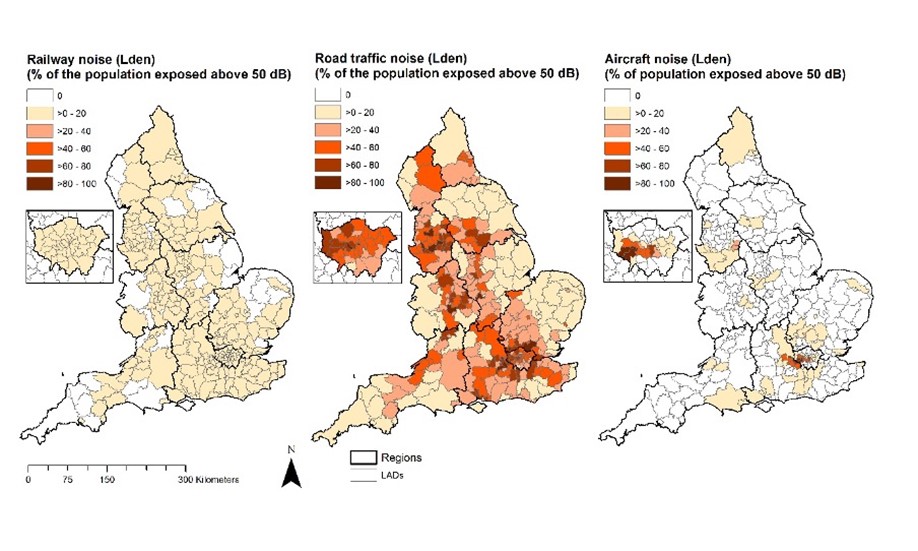
But what can you do if you live in a city where certain areas have noise levels of 70dB (C weighted). Well move is one option, but not very feasible or desirable. The map below shows noise pollution across the UK in 2023.
Buy some lovely noise cancelling headphones, or in our industry at least be aware of your hearing. It is your life after all. Protect it. Take time away from noise places or at least isolate yourself when you can. Switch off.
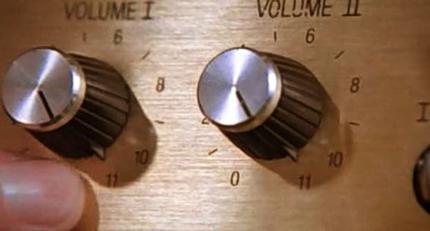
We all love a knob that goes to 11, but sometimes, life sounds better at 0!